
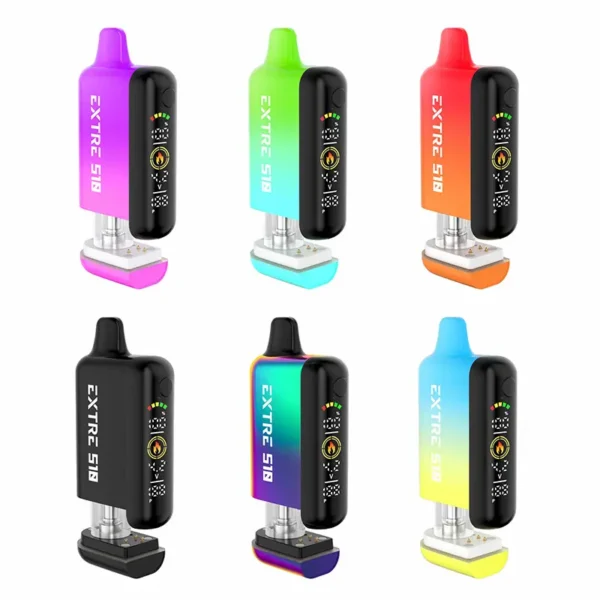

Today’s 510 vape batteries are more advanced than ever, especially with the rise of smart digital screens. A modern 510 thread battery with screen can display battery life, variable voltage, puff count, and even temperature in real time. But this level of convenience and safety wasn’t always available. In the early days, most vape pens had no display at all—users had to guess the battery status, much like driving a car until the tank runs dry. Over the past 15 years, display technology in 510 vape batteries has evolved rapidly, driven by safety standards, customization needs, and the miniaturization of electronics. Today, choosing the best 510 vape battery with display means getting a perfect blend of utility, safety, and modern style.
The Era of No Screen: Simplicity and Guesswork
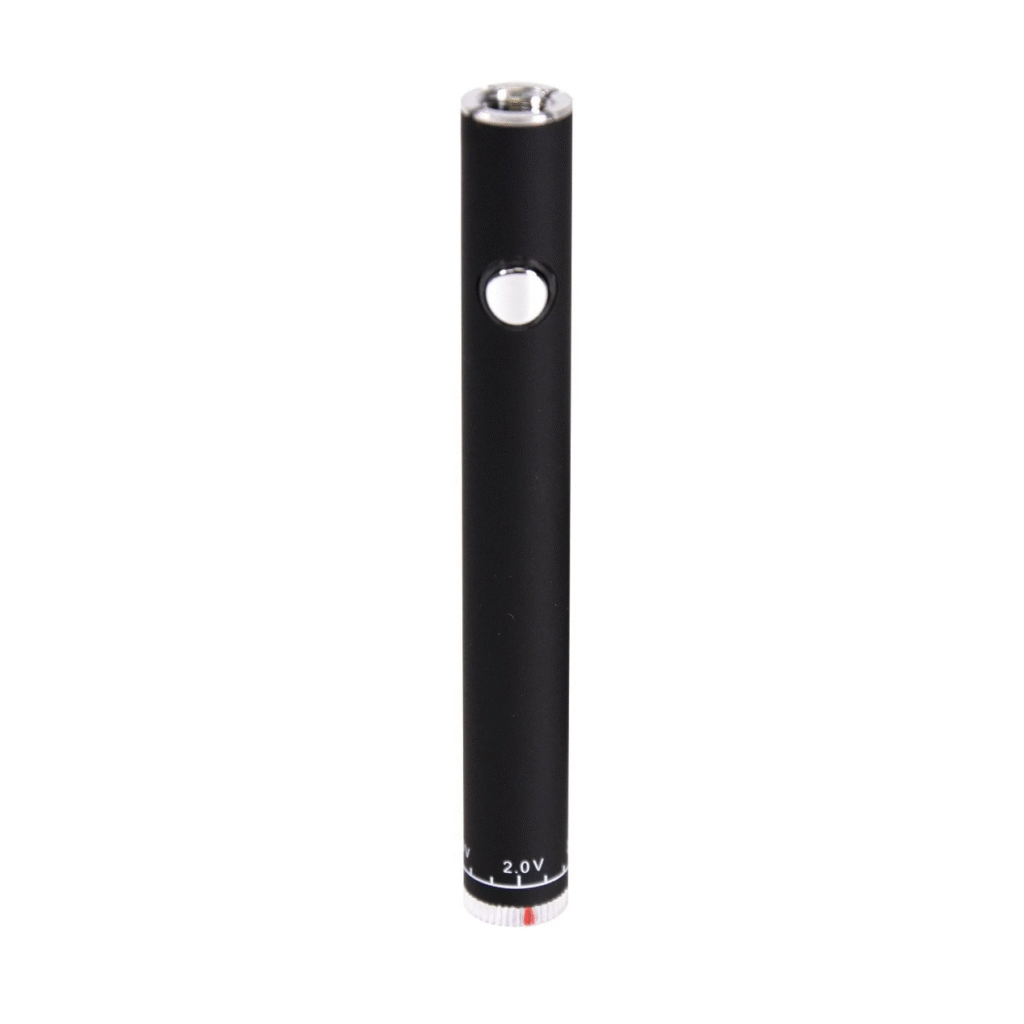
In the early 2010s, most 510 vape batteries were simple tubes with no display. A single LED might blink when you pressed the button, signaling activation. That was it. Users had no way to check battery level, output voltage, or coil resistance. You knew your battery was dying when the vapor thinned out—like driving a car until the engine sputters. These devices were affordable and easy to use, appealing to beginners transitioning from cigarettes.
But this simplicity came with risks. Without feedback, users couldn’t tell if their battery was overheating or discharging too quickly. According to UL 8139:2023, one of the key safety standards for portable battery-powered systems, unregulated power output increases the risk of thermal runaway in lithium-ion cells [1]. Early no-screen devices often lacked the circuitry to monitor such conditions.
Still, the no-screen mod had cultural appeal. It fit the “plug-and-play” mindset of early vapers who wanted discretion and ease. Vape pens resembled cigarettes, and many users preferred not to fiddle with settings. But as the vaping community grew, so did demand for control and customization.
Pro Tip: If you still use a no-screen battery, consider pairing it with a dedicated charger that displays voltage. It’s like using a multimeter on an old car battery—simple, but effective for safety.
LED Dot-Matrix: The First Glimpse of Information
Around 2014, LED dot-matrix displays began appearing on mid-tier 510 batteries. These grids of tiny red or green LEDs could show numbers and basic symbols. For the first time, users could see their output voltage or battery charge level in real time. It was like upgrading from a flip phone to a BlackBerry—limited, but revolutionary.
These displays were often paired with variable voltage (VV) or variable wattage (VW) controls. Enthusiasts could fine-tune their draw for thicker vapor or cooler hits. The ability to see changes made vaping more interactive. Hobbyists started sharing settings online, creating communities around optimal vaping experiences.
However, LED dot-matrix had drawbacks. The displays were power-hungry and prone to burnout. They also offered limited data—usually just one metric at a time. And because they were rigid and flat, they didn’t fit well on curved vape tubes. Design compromises followed.
Despite these flaws, this era marked a cultural shift. Vapers began seeing their devices as tools, not just substitutes for cigarettes. Customization became a form of self-expression. Forums like Reddit’s r/electronic_cigarette buzzed with debates over optimal voltage ranges and coil builds.
Regulatory bodies took note. The IEC 62133 standard for secondary lithium cells emphasized the need for protective circuits in devices with adjustable outputs [2]. As displays enabled more user control, safety protocols had to keep pace.

Smart Digtal Screen: Form Meets Function
By the late 2010s, manufacturers introduced segmented curved tube displays—often in orange or yellow. These bent LED arrays wrapped around the cylindrical body of 510 batteries, matching the device’s shape. Unlike flat dot-matrix screens, they looked seamless and futuristic, like the glow of a sci-fi prop.
These displays used pre-programmed segments to show battery percentage, puff count, or mode settings. Some models cycled through data with each button press. Think of it like an analog speedometer that sweeps through different readings—minimalist, but intuitive.
This design reflected a growing emphasis on aesthetics in vape culture. Devices were no longer hidden in pockets; they were shown off. Vapers attended “cloud competitions” and mod meets, where appearance mattered as much as performance. The curved display became a status symbol—proof that your battery was upgraded.
Safety improved too. Many of these batteries included short-circuit and over-discharge protection. The NFPA’s 2022 report on lithium-ion battery safety highlighted the importance of real-time user feedback in preventing misuse [3]. A visible battery indicator helped users avoid deep discharges, which degrade cell longevity.
Still, segmented tubes had limits. They couldn’t display text or complex data. Firmware updates were impossible. And color options were minimal. The next leap required a new kind of screen.
Pro Tip: If you own a segmented display battery, avoid leaving it in direct sunlight. Prolonged UV exposure can degrade the resin coating on the LEDs.
Full Digital Screen: The Rise of the Smart Mod
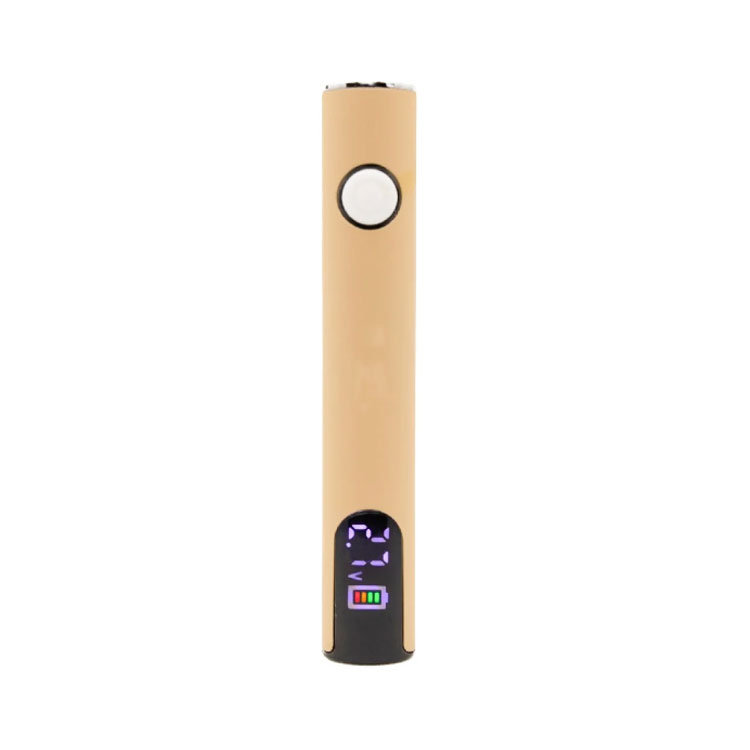
Around 2020, the introduction of full digital screens transformed the 510 vape battery market. Thin, flexible, and energy-efficient OLED screens could even wrap around the cylindrical body of a 510 thread battery. For the first time, users gained access to real-time battery percentage, variable wattage settings, coil resistance, puff counters, and session timers. This innovation turned a simple 510 vape pen battery into a smart vaping device, combining style with practical safety alerts.
These displays transformed the curved 510 vape mod into a personal device, akin to a fitness tracker. Brands began integrating menus, themes, and haptic feedback. You could customize screen brightness or set sleep timers. Some models even displayed coil type or estimated e-liquid consumption.
This era aligned with the rise of “smart vaping.” Users wanted data, not just vapor. They tracked usage patterns, optimized battery life, and shared screenshots online. The display became a dashboard—a central hub for control and insight.
From a regulatory standpoint, UL 8139:2023 supports such advancements by requiring clear user interfaces for safety-critical information [1]. A well-designed OLED screen can alert users to low voltage, high temperature, or connection errors before problems escalate.
Culturally, this tech shift mirrored broader trends in consumer electronics. Just as smartphones replaced buttons with touchscreens, vapers embraced intuitive interfaces. The best 510 vape battery with screen now offers both precision and personality.
One standout example is the integration of low-power modes that extend battery life without sacrificing readability—ideal for all-day use. Devices like those in ExtreShop’s lineup combine sleek digital screens with responsive touch controls, blending innovation with reliability.
Modern TFT Displays: Customization and Connectivity
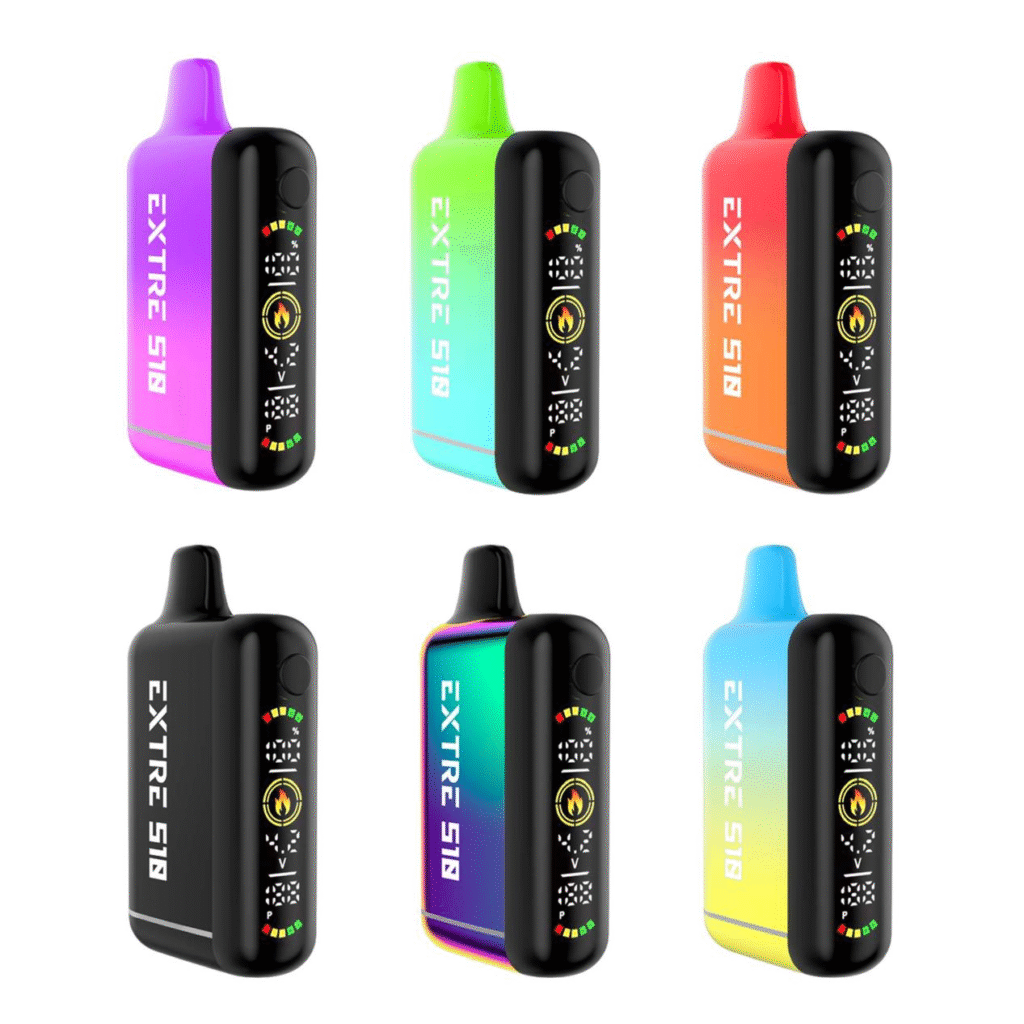
Today’s top-tier 510 batteries feature full-color TFT (Thin-Film Transistor) displays. These high-resolution screens support dynamic graphics, multiple languages, and even Bluetooth connectivity. Some models sync with smartphone apps, letting users log sessions, update firmware, or lock settings with a PIN.
TFTs represent the peak of current vape display tech. They’re brighter and more durable than OLEDs in direct sunlight, and they support faster refresh rates. For advanced users, this means real-time monitoring of temperature curves or wattage spikes—like having a black box for your battery.
This level of sophistication caters to both beginners and mod players. New users benefit from clear warnings and guided menus. Experts enjoy granular control over every parameter. The display acts as both teacher and toolkit.
Regulatory frameworks continue to evolve. EUR-Lex regulations on battery labeling and safety now emphasize legibility and user comprehension—goals that modern TFTs support by offering adjustable text size and icon-based navigation [4].
Moreover, these screens enable brand trust. When users can see exactly what their device is doing, they’re more likely to use it safely. ExtreShop’s latest color 510 battery models, for instance, use TFT interfaces to highlight safety features like auto-shutoff and overcharge protection—without cluttering the experience.
As vaping culture matures, the line between utility and expression blurs. A TFT screen isn’t just functional; it’s a canvas. Some users change themes daily, treating their device like a wearable.
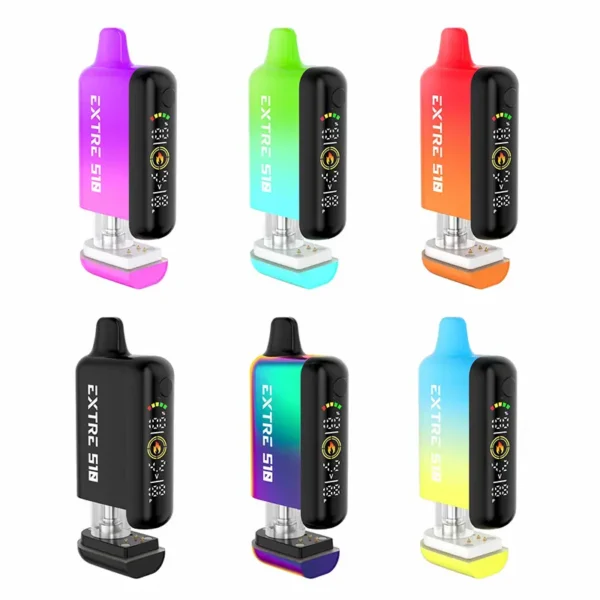
Pro Tip: Enable screen timeout and auto-lock on TFT devices. It prevents accidental activation in pockets and conserves battery—just like locking your phone.
Why Display Tech Matters Beyond the Screen
The evolution of 510 vape battery displays isn’t just about pixels and brightness. It reflects deeper shifts in how we interact with personal technology. Each advancement—from no screen to TFT—responded to user needs: safety, control, identity.
Early devices prioritized simplicity. But as vapers demanded more, displays became essential feedback tools. They turned anonymous tubes into intelligent companions. And with intelligence came responsibility. Clear displays help prevent misuse, support compliance with standards like UL 8139, and empower informed choices.
For beginners, a good screen reduces guesswork. For enthusiasts, it unlocks creativity. Whether you’re searching for the best 510 vape battery with screen or simply need a reliable 510 thread battery for daily use, the quality of the display has become a major factor. A modern 510 vape battery with TFT or OLED display not only enhances safety and usability but also reflects how vaping has shifted from simple devices to smart, customizable tools.
Explore how far 510 battery tech has come—visit ExtreShop to see modern digital screen and TFT models designed for safety, style, and smarts.
FAQ
Q: What are the benefits if I buy a 510 battery with a digital screen and three key functions?
A: A digital screen gives clear visibility of voltage, puff count, and battery life, while keeping a sleek design and saving power.
Q: How do TFT displays improve safety in vape mods?
TFT screens can display detailed warnings, connection errors, and temperature alerts. Their clarity helps users respond quickly to potential issues, aligning with safety standards like UL 8139.
Q: Can I change the display settings on my 510 battery?
A: Yes. Many 510 batteries with color screens let you adjust brightness, change themes, and update firmware for new features.
Q: Do all 510 batteries with screens have the same display type?
A: No. Options include LED dot-matrix, digital screens, and full-color TFT displays, each with different functions and clarity.
Q: What is the advantage of a digital screen display on a 510 battery?
digital scree offer better visibility, seamless design, and energy efficiency. They provide real-time data like voltage and puff count while fitting naturally on cylindrical devices.
Q: Can I customize the display on my 510 vape battery?
A: Yes, many modern batteries with color screens allow theme changes, brightness adjustment, and menu personalization. Some even support firmware updates for new features.
Q: How do I know when my 510 battery might stop working?
A: Watch for reduced puff count, weak power, or screen errors—these signs mean your 510 battery may need service or replacement.
Q: Where can I buy a 510 battery that can last three times longer?
A: Look for high-capacity models with smart power management to get up to three times more usage per charge.
Q: How do I charge a pen-style vape battery without damaging it?
A: Use the correct charger, avoid high heat, and stop charging once it’s full to keep your pen vape in top shape.
Q: What are the top three features to look for in a 510 battery?
A: Long battery life, accurate digital display, and durable build quality make a 510 battery worth buying.
Q: How to Find the Best 510 Vape Battery with Advanced Digital Displays?
A: Brands like EXTRE offer 510 vape batteries with digtal screen and TFT screens, combining cutting-edge tech with user-friendly design. Check their full catalog for options.
References
- [1] UL 8139:2023. Standard for Safety for Electrical Systems for Use in Electrically Powered E-Cigarettes and Similar Devices.
- [2] IEC 62133-2:2017. Secondary cells and batteries containing alkaline or other non-acid electrolytes – Safety requirements for portable sealed secondary cells.
- [3] NFPA. “Lithium-ion Battery Safety”, NFPA Research Foundation, 2022.
- [4] EUR-Lex. Regulation (EU) 2023/1542 on battery labeling and user information requirements.